

PCC Conference Highlights Need for Stronger Complaint Resolution Mechanisms and Improved Public Service Delivery
PCC Conference Highlights Need for Stronger Complaint Resolution Mechanisms and Improved Public Service Delivery


PCC Conference Highlights Need for Stronger Complaint Resolution Mechanisms and Improved Public Service Delivery
NASSNEWS

The PCC serves as Nigeria’s ombudsman institution, investigating complaints relating to maladministration, unfair treatment, abuse of office and other improper administrative conduct within its jurisdiction.
Its work is particularly important to citizens who experience delays in obtaining government services, disputes over entitlements, difficulties with administrative decisions or other forms of unfair treatment.
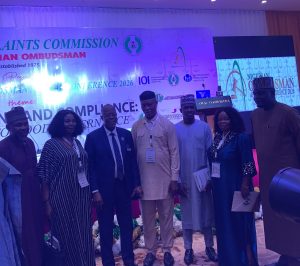
The reported complaint figures suggest that complaint resolution remains a significant operational challenge. However, the number of pending cases alone does not establish the causes of the backlog or how long individual complaints have remained unresolved.
Addressing such challenges may require improved case management systems, adequate staffing, specialised training, effective record keeping and stronger cooperation between the Commission and the institutions against which complaints are lodged

The Public Complaints Commission (PCC) is facing a substantial complaint-handling workload, with figures reported ahead of its annual conference indicating that more than 716,000 complaints have been resolved out of approximately 1.28 million received.
The figures were disclosed in media reports of a briefing by the Chief Commissioner of the Commission, Hon. Bashir Abubakar, MFR, on October 13, 2026, ahead of the PCC conference held at Abuja Continental Hotel on Thursday.
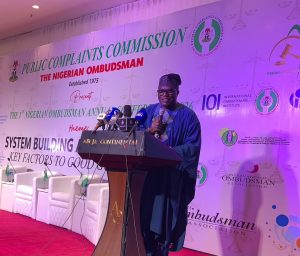
According to the reported figures, the Commission received 1,281,984 complaints and resolved 716,688, while 562,296 remained pending.
The figures highlight the scale of the Commission’s responsibility in addressing complaints and promoting administrative justice. They also point to the importance of improving investigation processes, strengthening institutional capacity and ensuring timely responses to complainants.
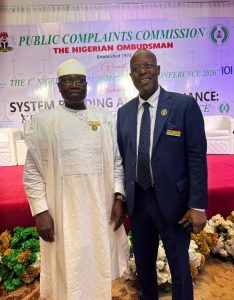
The Commission has also reportedly outlined institutional measures involving staff development, information technology, improvements to complaint-access channels and personnel administration.
Such measures could support more efficient complaint processing by helping investigators access information, maintain accurate records and communicate more effectively with complainants.

Beyond resolving individual cases, complaint handling institutions can help identify recurring administrative problems and recommend corrective action. Patterns in complaints may reveal weaknesses in procedures, gaps in implementation or areas where public agencies need to improve their services.
For this reason, effective complaint resolution requires not only the closure of individual cases but also attention to the underlying administrative practices that generate grievances.

The PCC conference’s focus on system building and compliance reinforces the importance of institutional processes that prevent administrative injustice, encourage lawful decision making and strengthen public confidence.
The reported figures were published in coverage of the Chief Commissioner’s briefing and should be understood as reported administrative statistics, rather than independently audited figures or statistics confirmed as a formal announcement at the conference.

As discussions around institutional reform continue, the central challenge for public administration remains translating accountability mechanisms and improved systems into timely, fair and accessible services for Nigerians.
