

PCC Unveils Reforms, Announces First Nigerian Ombudsman Annual Conference
PCC Unveils Reforms, Announces First Nigerian Ombudsman Annual Conference

PCC Unveils Reforms, Announces First Nigerian Ombudsman Annual Conference
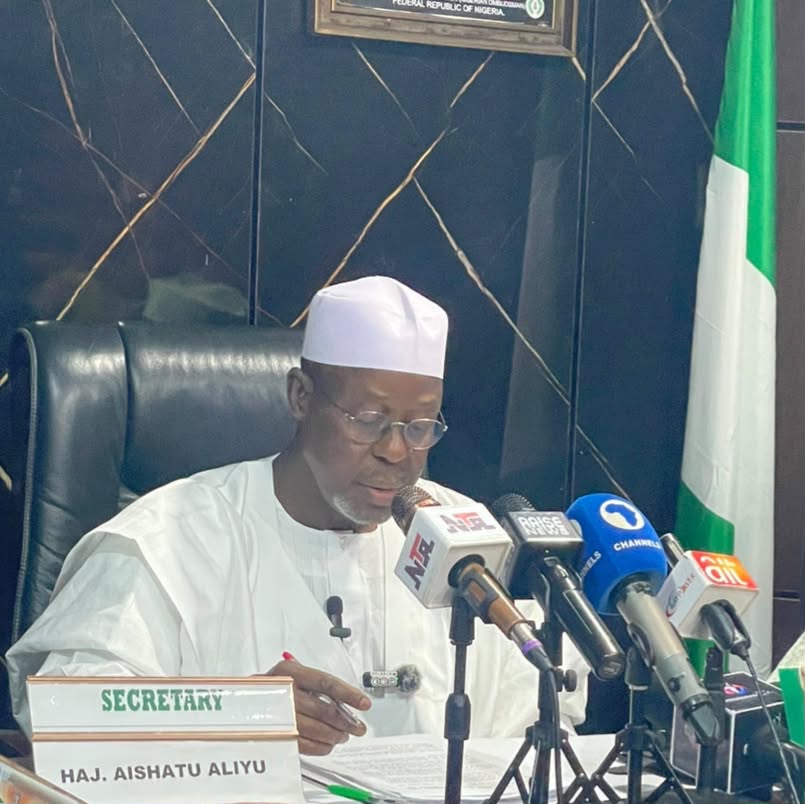
The Chief Commissioner of the Commission, Hon. Bashir Abubakar, disclosed this on Tuesday during a press briefing at the Commission’s headquarters in Abuja, where he highlighted achievements recorded since assuming office on September 24, 2024.
Abubakar attributed the reported increase in complaints to growing public confidence in the Commission and efforts to improve its operations, accessibility and responsiveness to citizens.
He explained that the Commission, established in 1975, is statutorily mandated to investigate complaints bordering on maladministration, corruption, abuse of office and other forms of administrative misconduct involving public institutions and private organisations.
According to him, the current administration inherited significant institutional challenges, including inadequate funding, staff welfare concerns, unpaid entitlements and strained relations between management and labour unions.
The Public Complaints Commission (PCC), also known as the Nigerian Ombudsman, says it has recorded about 1.2 million complaints within two years, with approximately 716,000 cases successfully resolved, as part of reforms aimed at strengthening administrative justice and public accountability.
He recalled that the challenges had contributed to industrial disharmony, culminating in the closure of the Commission’s headquarters for more than three weeks during a period of industrial action.
However, the Chief Commissioner said interventions by President Bola Ahmed Tinubu’s administration and the leadership of the National Assembly had helped address some of the challenges, particularly those relating to staff welfare and funding.
He noted that increased budgetary provisions and intervention funds had supported the implementation of the Consolidated Legislative Salary Structure (CONLESS) for the Commission’s staff, alongside efforts to settle outstanding entitlements.
Abubakar further disclosed that the Commission’s monthly allocations for administrative and operational expenses had increased by approximately 400 per cent, enabling its offices across the federation to improve service delivery.
On institutional restructuring, he said the Commission had expanded its departments from about nine or 10 to 16 to strengthen its operational capacity and ensure more effective handling of complaints.
He added that a biometric staff identification exercise had been conducted across the Commission’s offices nationwide to improve personnel management and accountability.
The Chief Commissioner also revealed that more than 3,400 of the Commission’s approximately 4,000 staff members had undergone training within the past two years, while its information and communications technology (ICT) department had been upgraded to support modern administrative processes.
He further stated that more than 2,300 staff members had been promoted between 2025 and 2026, describing the development as part of efforts to improve staff morale and workplace relations.
Abubakar said the Commission was also strengthening collaboration with ministries, departments and agencies, non-governmental organisations, and Ombudsman institutions at regional and international levels to promote knowledge-sharing and facilitate the resolution of complaints.
He emphasised that the management had adopted an open-door policy to improve communication between staff and management, while working to restore industrial harmony and public confidence in the institution.
PCC to Hold First Nigerian Ombudsman Annual Conference
As part of its reform agenda, Abubakar announced that the Commission would host its first Nigerian Ombudsman Annual Conference on Thursday, October 15, 2026, at the Ladi Kwali Conference Centre, Abuja Continental Hotel, Abuja.
The conference, themed “System Building and Compliance: Key Factors to Good Governance,” is expected to bring together the Commission’s founding members, policymakers, government officials, representatives of the legislature and judiciary, development partners, and Ombudsman institutions from within and outside Nigeria.
He explained that the conference would examine the importance of strong institutional systems, compliance with established rules and regulations, and effective administrative structures in promoting good governance.
According to him, the gathering would provide an opportunity for stakeholders to assess the relationship between institutional effectiveness, accountability and public service delivery.
The Chief Commissioner acknowledged the support of President Tinubu, Senate President Godswill Akpabio, Speaker of the House of Representatives Tajudeen Abbas, the Budget Office of the Federation, the Federal Ministry of Finance, the Office of the Accountant-General of the Federation and other relevant stakeholders in advancing the Commission’s reform efforts.
He called for sustained cooperation from the media, noting that public awareness and effective communication were essential to ensuring that Nigerians understood the Commission’s mandate and could access its services.
Abubakar reaffirmed the Commission’s commitment to addressing administrative injustice, promoting accountability and protecting the rights of Nigerians and non-Nigerians in their dealings with public institutions and other organisations under its jurisdiction.
He expressed optimism that continued institutional reforms and stakeholder collaboration would strengthen the Commission’s capacity to deliver on its statutory responsibilities and contribute to improved governance across the country.
