

HOUSE COMMITTEE LAUNCHES PROBE INTO ALLEGED MISUSE OF AGRICULTURAL FUNDS: BILLIONS SPENT, YET NIGERIANS GO HUNGRY
HOUSE COMMITTEE LAUNCHES PROBE INTO ALLEGED MISUSE OF AGRICULTURAL FUNDS: BILLIONS SPENT, YET NIGERIANS GO HUNGRY

HOUSE COMMITTEE LAUNCHES PROBE INTO ALLEGED MISUSE OF AGRICULTURAL FUNDS: BILLIONS SPENT, YET NIGERIANS GO HUNGRY
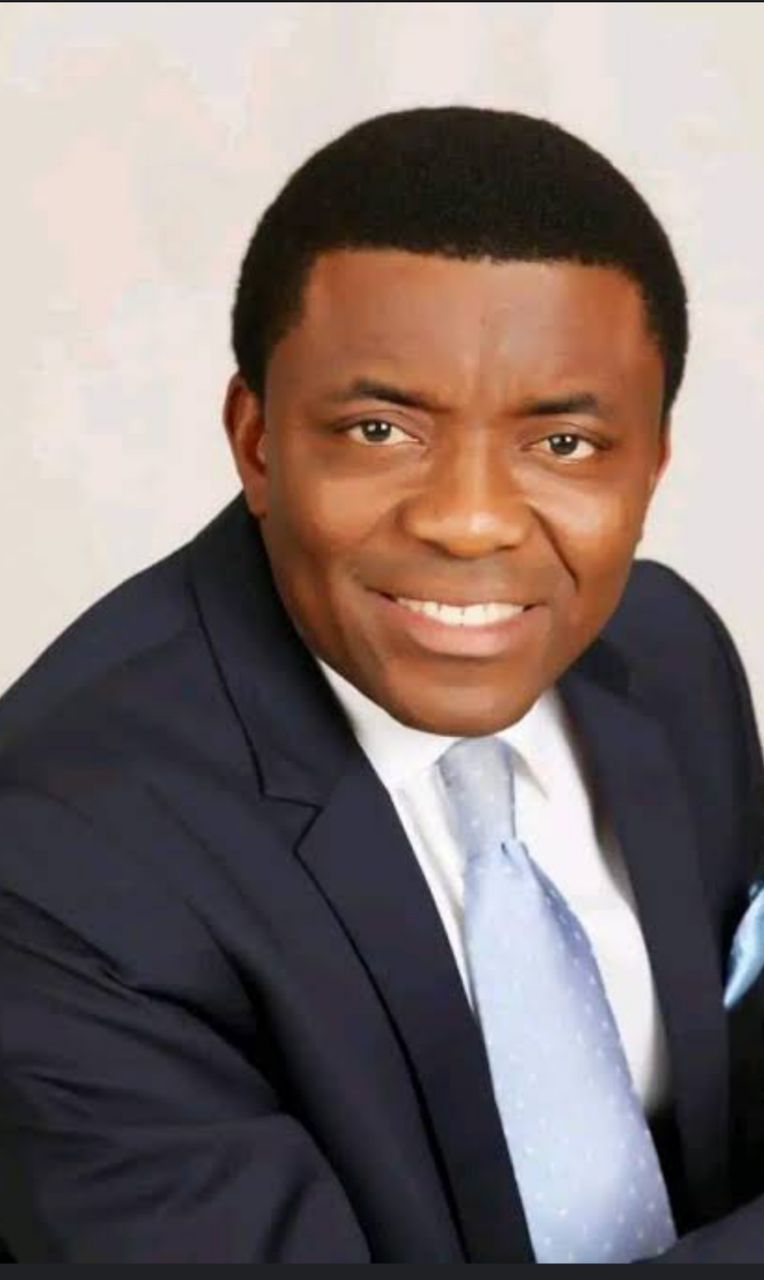
Hon. Chike John Okafor
By Jennifer Ndukwe
Abuja, Nigeria – In a bold move to confront the worsening food crisis in the country, the House of Representatives Committee on Nutrition and Food Security has launched an Investigative Public Hearing into the alleged misuse and mismanagement of agricultural funds disbursed through various government interventions, schemes, and agencies operating outside the Federal Ministry of Agriculture and Food Security.
At the heart of the probe is the growing concern that despite trillions of naira poured into agriculture, Nigeria continues to face rampant food insecurity, skyrocketing food prices, and a hunger crisis affecting millions across rural and urban communities alike.
Presiding over the hearing on Thursday, Hon. Chike John Okafor, Chairman of the Committee and a seasoned lawmaker representing Ehime Mbano / Ihitte Uboma/ Obowo Federal Constituency of Imo State decried what he termed a “painful contradiction” between massive government expenditure and ground-level realities.
“This is a case of so much water, water, water – and yet, no water to drink,” Hon. Okafor stated emphatically. “If we have sunk in these quantum resources to boost agribusiness, we shouldn’t be grappling with food scarcity and malnutrition.”
The Committee revealed staggering figures:
* Over ₦1.12 trillion was disbursed by the Central Bank of Nigeria (CBN) to more than 4.6 million farmers under the Anchor Borrowers Programme (ABP) through 563 anchor institutions.
* The Nigeria Incentive-Based Risk Sharing System for Agricultural Lending (NIRSAL) disbursed another ₦215.06 billion,
* The Bank of Industry (BOI) facilitated around ₦3 billion in loans to over 22,000 smallholder farmers, and
* BOI also supported 49 agro-processing firms with ₦59.4 billion in financing.
Despite these interventions, Hon. Okafor noted, food prices continue to spiral, and malnutrition remains prevalent, particularly among vulnerable populations like children and internally displaced persons.
“Today is only the beginning,” he emphasized. “We’re not jumping to conclusions yet. But the concern is that some of these funds may have gone to ghost beneficiaries. We are hearing disturbing reports of funds being funneled to non-existent farmers.”
The Committee’s concerns also stem from institutional resistance and lack of cooperation. Several key agencies failed to respond to invitations to the hearing. Hon. Okafor warned that continued non-compliance would not be tolerated.
“Some agencies failed to respond to our invitations. While we are giving them the benefit of the doubt for now, if they don’t show up at the next hearing, we will take more decisive steps,” he warned, hinting at the possibility of invoking the powers of the House to compel attendance.
Agencies under review include, but are not limited to:
* Central Bank of Nigeria (CBN)
* Bank of Industry (BOI)
* Nigeria Incentive-Based Risk Sharing
* System for Agricultural Lending (NIRSAL)
* NIRSAL Microfinance Bank
* National Agricultural Development Fund
* National Agricultural Land Development Authority
* Fertilizer Association of Nigeria
* National Agricultural Seeds Council
* Nigeria Agricultural Quarantine Service
* Agricultural Research Council of Nigeria
* Bank of Agriculture
Hon. Okafor, however, made it clear that the inquiry is not a blanket condemnation of these institutions, many of which, he said, were operating within legal frameworks established by Acts of Parliament.
“Let it be on record that many of these bodies are carrying out their lawful mandates. Our task here is not to criminalize institutions, but to demand transparency, accountability, and measurable impact.”
He further explained that the Committee’s objective is not punitive, but corrective. The goal, he said, is to expose and rectify the gaps and abuses in the agricultural funding process — and ultimately, ensure that every naira spent translates into food on the table for Nigerians.
“We aim to ensure accountability. When defaulting beneficiaries are exposed and made to repay, it frees up capital for genuine farmers. That means more food production, lower prices, and greater food security. It also serves as a deterrent to potential defaulters.”
The Committee also disclosed that all submissions received would undergo a forensic audit, and a more elaborate public hearing will be convened after the House reconvenes from recess. The outcomes are expected to inform new policy frameworks and legislative instruments to sanitize agricultural financing mechanisms in Nigeria.
As millions of Nigerians continue to struggle with inflation-driven food shortages and the country faces one of its highest rates of out-of-pocket food spending, the hearing is seen as a critical step toward unraveling a system long plagued by opacity, inefficiency, and patronage.
“We are not just pointing fingers,” Hon. Okafor concluded. “We are building a system that works – for the farmer, for the economy, and for every Nigerian.”
The investigative process is expected to continue over the coming weeks, with broader stakeholder engagement and public testimonies anticipated in the second phase of the hearings.
